
-
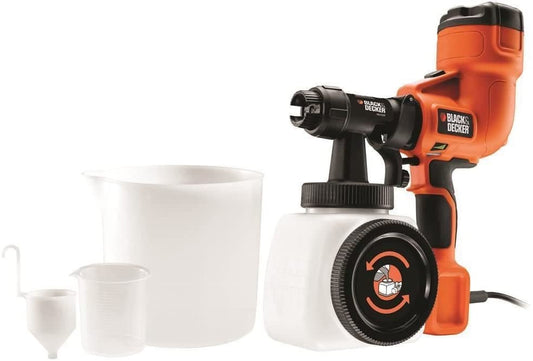
Black+Decker HVLP200 400W Adjustable Spray Gun
Vendor:BLACK + DECKERRegular price 73,13€Regular priceUnit price per92,28€Sale price 73,13€Sale -
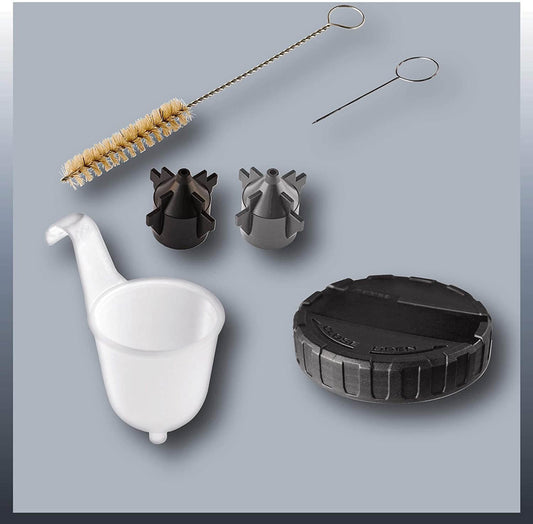
Einhell TC-SY 600 S 600W Spray Gun
Vendor:EINHELLRegular price 75,63€Regular priceUnit price per95,94€Sale price 75,63€Sale -
Spiked Roller 22cm Sika
Vendor:SIKARegular price 25,09€Regular priceUnit price per32,62€Sale price 25,09€Sale -
Karcher 2.055-007.0 Gray Universal Roller Set
Vendor:KARCHERRegular price 25,56€Regular priceUnit price per39,00€Sale price 25,56€Sale




At Brikum, we're passionate about DIY and painting. We know that the right paint roller can make all the difference in your projects. Here's a guide to choosing the best roller for your needs.
Basic painter's tools
A good brush is essential for details, while rollers cover large areas quickly. For more complex jobs, consider using spray guns, ideal for large projects or uneven surfaces.
Types of paint rollers
Choosing the right roller depends on the type of surface you're painting. For smooth surfaces like interior walls, a foam or microfiber roller is ideal. On rough surfaces, like brick or concrete, we recommend rollers with a thicker gauge to ensure even coverage.
Sizes and materials
Rollers come in different sizes, from small for details to large for large surfaces. The material is also crucial: synthetic wool is excellent for acrylic paints, while natural wool excels with oil-based paints.
How to maintain your paint roller?
At Brikum, we're passionate about DIY and painting. We know that the right paint roller can make all the difference in your projects. Here's a guide to choosing the best roller for your needs.
Basic painter's tools
A good brush is essential for details, while rollers cover large areas quickly. For more complex jobs, consider using spray guns, ideal for large projects or uneven surfaces.
Types of paint rollers
Choosing the right roller depends on the type of surface you're painting. For smooth surfaces like interior walls, a foam or microfiber roller is ideal. On rough surfaces, like brick or concrete, we recommend rollers with a thicker gauge to ensure even coverage.
Sizes and materials
Rollers come in different sizes, from small for details to large for large surfaces. The material is also crucial: synthetic wool is excellent for acrylic paints, while natural wool excels with oil-based paints.
How to maintain your paint roller?
Keeping your roller in good condition is essential for future projects. Wash the roller with warm soapy water if you used water-based paint, or use thinner if you worked with oil-based paint. Store it in a dry place to ensure its longevity.
Essential accessories
Don't forget to include paint trays, masking tape, and protective plastic to prevent unwanted stains. Sandpaper and putty knives are also essential for preparing surfaces before applying paint.
How to choose the right tools
The type of project and the finish you want to achieve will determine the painting tools you need. For example, synthetic bristle brushes work best with water-based paints, while natural bristle brushes are ideal for oil-based paints.
After each use, it's important to clean your painting tools properly. Brushes and rollers should be washed with warm water or solvent, depending on the type of paint. Also, be sure to store them in a dry, protected place.
At Brikum, we're passionate about DIY and painting. We know that the right paint roller can make all the difference in your projects. Here's a guide to choosing the best roller for your needs.
Basic painter's tools
A good brush is essential for details, while rollers cover large areas quickly. For more complex jobs, consider using spray guns, ideal for large projects or uneven surfaces.
Types of paint rollers
Choosing the right roller depends on the type of surface you're painting. For smooth surfaces like interior walls, a foam or microfiber roller is ideal. On rough surfaces, like brick or concrete, we recommend rollers with a thicker gauge to ensure even coverage.
Sizes and materials
Rollers come in different sizes, from small for details to large for large surfaces. The material is also crucial: synthetic wool is excellent for acrylic paints, while natural wool excels with oil-based paints.
How to maintain your paint roller?
Keeping your roller in good condition is essential for future projects. Wash the roller with warm soapy water if you used water-based paint, or use thinner if you worked with oil-based paint. Store it in a dry place to ensure its longevity.
Essential accessories
Don't forget to include paint trays, masking tape, and protective plastic to prevent unwanted stains. Sandpaper and putty knives are also essential for preparing surfaces before applying paint.
How to choose the right tools
The type of project and the finish you want to achieve will determine the painting tools you need. For example, synthetic bristle brushes work best with water-based paints, while natural bristle brushes are ideal for oil-based paints.
After each use, it's important to clean your painting tools properly. Brushes and rollers should be washed with warm water or solvent, depending on the type of paint. Also, be sure to store them in a dry, protected place.
Keeping your roller in good condition is essential for future projects. Wash the roller with warm soapy water if you used water-based paint, or use thinner if you worked with oil-based paint. Store it in a dry place to ensure its longevity.
Essential accessories
Don't forget to include paint trays, masking tape, and protective plastic to prevent unwanted stains. Sandpaper and putty knives are also essential for preparing surfaces before applying paint.
How to choose the right tools
The type of project and the finish you want to achieve will determine the painting tools you need. For example, synthetic bristle brushes work best with water-based paints, while natural bristle brushes are ideal for oil-based paints.
After each use, it's important to clean your painting tools properly. Brushes and rollers should be washed with warm water or solvent, depending on the type of paint. Also, be sure to store them in a dry, protected place.